


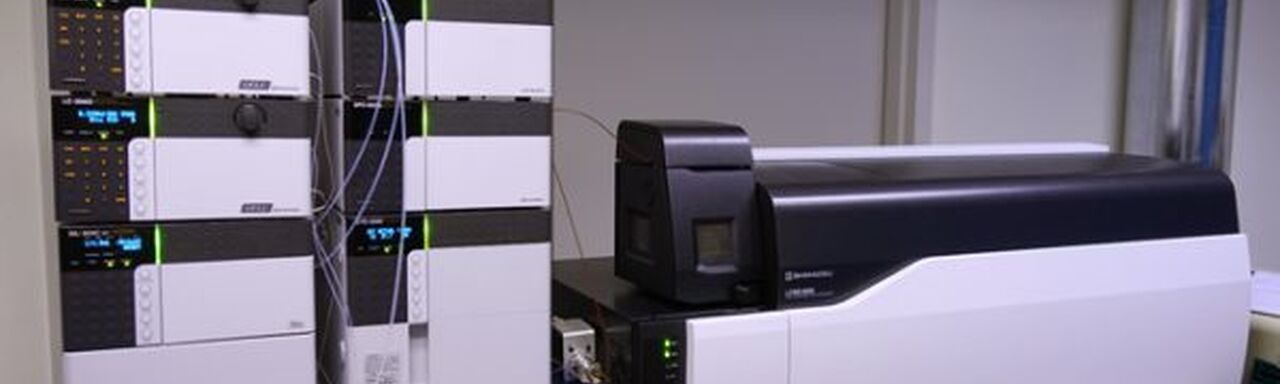
Sampling and analytical methods for PFAS determination
PFAS detection in environmental samples is very challenging. Due to the low environmental concentrations and very strict legislation limits, special care must be taken when taking samples and very sensitive analytical methods must be used. In addition, the large number of PFAS makes their complete determination very difficult. The sum parameter methods developed in recent years attempt to solve this problem.
Philipp Lau presents the basics of sampling and its standardisation in order to avoid significant errors, while Paula Ossowicz-Rupniewska and Rafal Rakoczy show what should be paid particular attention to when taking samples for PFAS analysis. Ulrike Braun gives an overview of PFAS analysis methods, with focus on targeted analysis and the Total Oxidisable Precursor Assay (TOP-Assay). Finally, Patrick van Hees presents two further methods for the overall determination of PFAS, the Adsorbable Organic Fluorine (AOF) and the Extractable Organic Fluorine (EOF).
Sampling and analytical methods
Additional materials
Discover additional materials: full recordings of the lectures used in the video of the chapter, as well as presentations of them.
Full video presentations
Full videos of the expert presentations are available via Youtube.
- Sampling waters - Philipp Lau, Dep. of Urban Water Management, Berlin University of Technology
- Analysis of PFAS - Paula Ossowicz-Rupniewska, Rafał Rakoczy, West Pommeranian University of Technology in Szczecin
- Why is PFAS getting so much attention now? – Ulrike Braun, German Environment Agency
- PFAS Analysis - Patrick van Hees, Eurofins Food & Feed Testing Sweden AB