Decision-support for water managers and authorities facing PFAS contamination
The LIMIT Concept Guideline provides practical decision support for selecting and combining technologies to treat PFAS-contaminated water. It promotes a modular treatment train in which PFAS are first separated and concentrated, followed where needed by polishing and destruction of the smaller, PFAS-rich stream or material. The guideline draws on pilot- and laboratory-scale work with bubble fractionation, ion exchange, granular activated carbon, UV-based reduction, electrochemical oxidation, superheated/supercritical water oxidation, pyrolysis, and hybrid UV/ozone–GAC treatment.
Solution to which problem
PFAS contamination affects groundwater, surface water, stormwater/runoff, leachate and wastewater, including water from fire-training sites, landfills, harbours and airports. Conventional approaches often rely on a single separation technology or apply energy-intensive destruction directly to large volumes of dilute water. Water managers and authorities therefore need site-specific guidance that supports compliance with increasingly strict regulatory thresholds while limiting energy use, residual waste and operating costs.
Technical conditions
Technology selection must be adapted to the PFAS profile, concentration, water volume, dissolved organic carbon and competing ions, discharge or reuse requirements, and available infrastructure. The central design principle is to capture and concentrate PFAS before destruction.
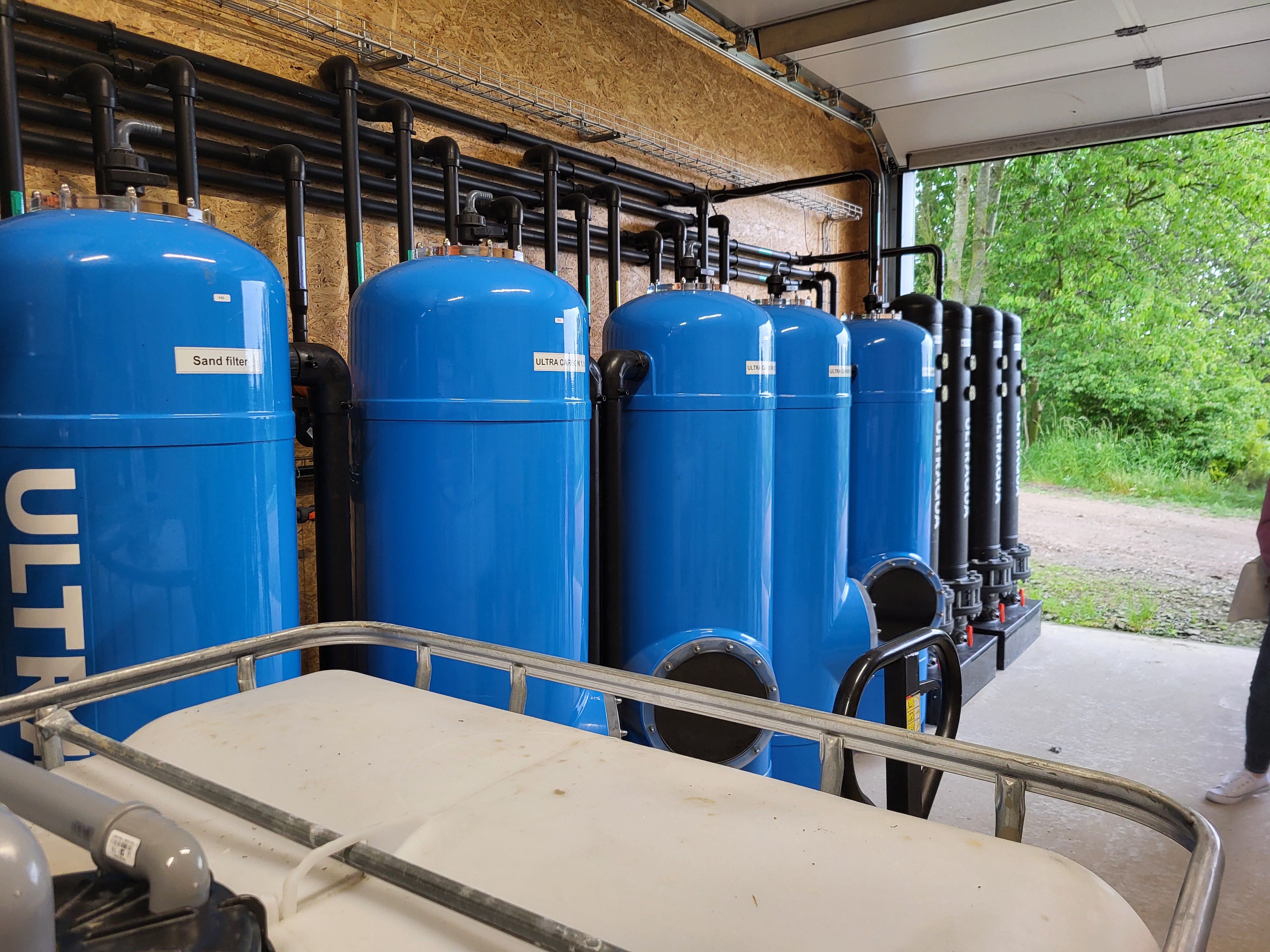
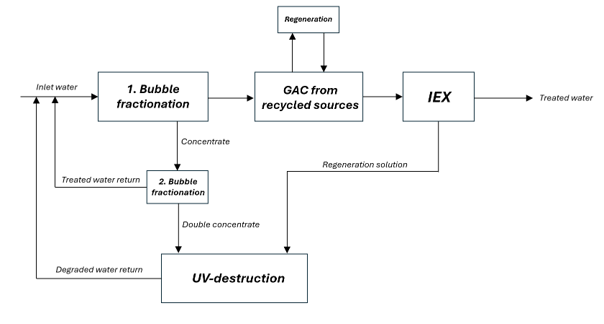
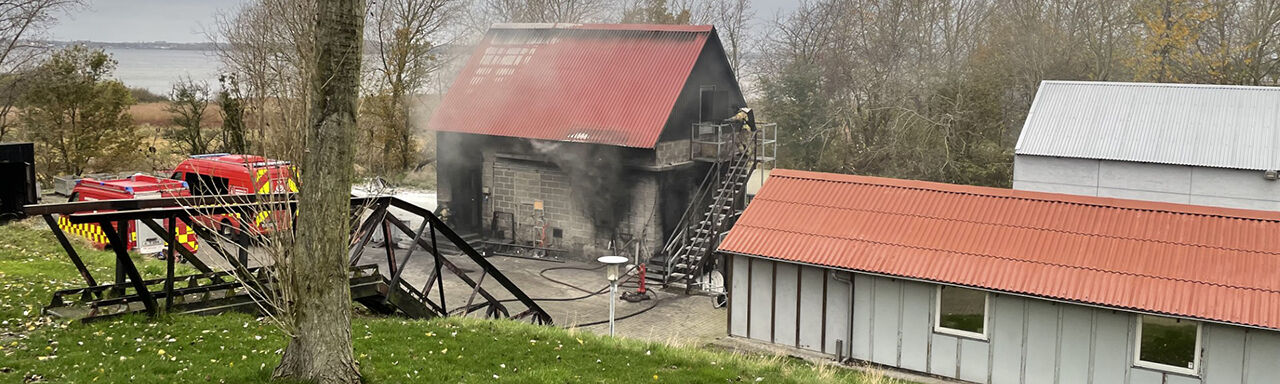
At the Korsør fire-training site, highly contaminated drainage and surface-runoff water with substantial organic content was treated using two-stage bubble fractionation, followed by GAC and ion-exchange polishing. The PFAS-rich concentrate and regeneration streams were routed to UV-based destruction; saturated GAC can be treated separately by suitable thermal processes. Ion exchange and GAC are more suitable for relatively clean matrices or polishing, whereas bubble fractionation or membrane-based separation may be preferable in complex matrices.
Implementation
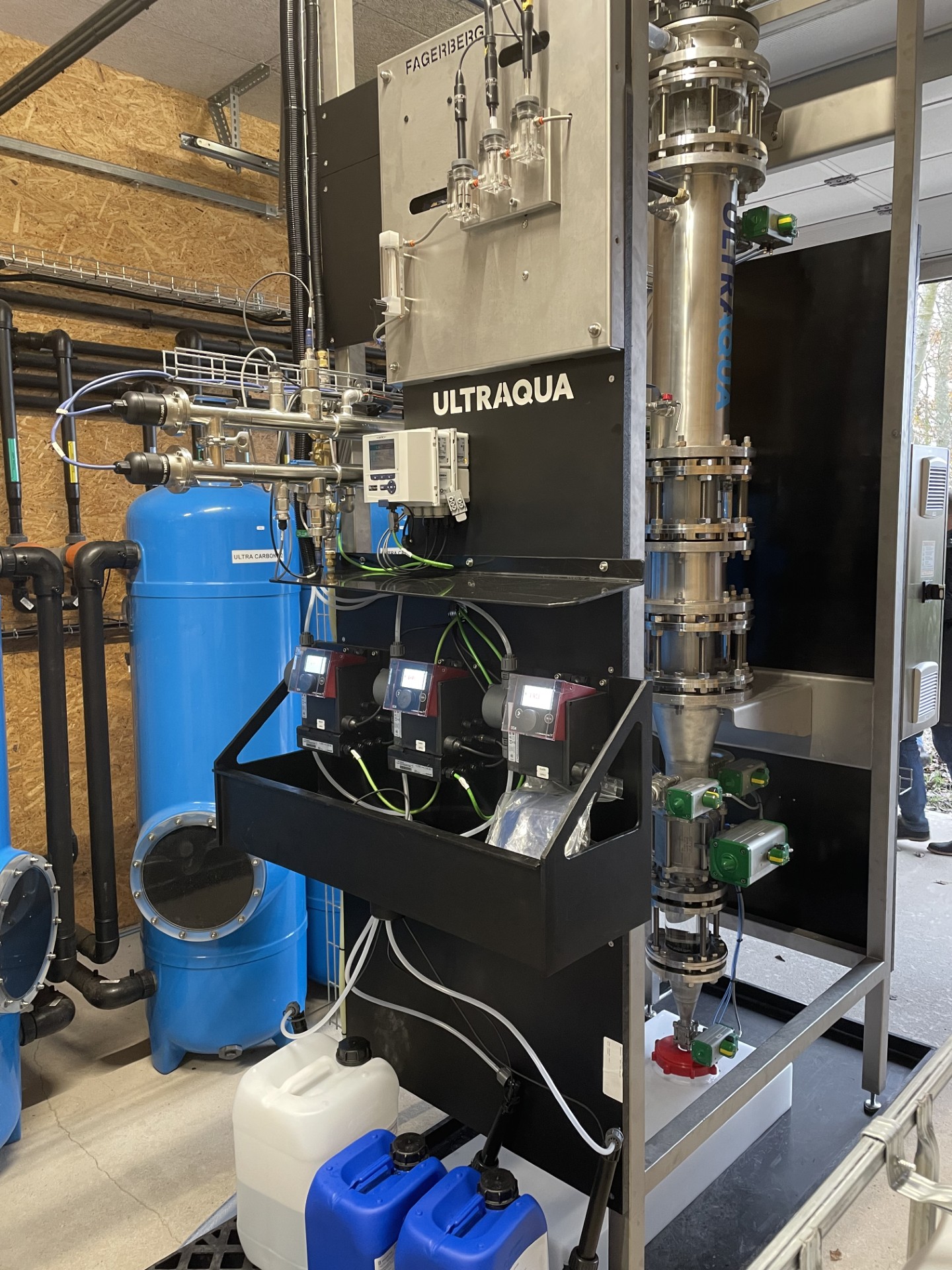
The guideline was developed through the Interreg South Baltic LIMIT project. Partners tested complementary separation, polishing and destruction technologies at a shared pilot site and in laboratory or pilot studies. At Korsør, drainage and runoff water was first treated by two consecutive bubble-fractionation steps to concentrate PFAS and greatly reduce the contaminated volume. GAC and ion exchange were used as polishing steps, while the concentrated aqueous stream was treated by UV-based advanced reduction.
Parallel studies assessed alternatives for other matrices and residuals, including electrochemical oxidation, regeneration and pyrolysis of PFAS-loaded GAC, superheated/supercritical water oxidation, and hybrid UV/ozone treatment followed by GAC. The resulting guideline supports users in configuring a treatment train rather than prescribing one universal solution.
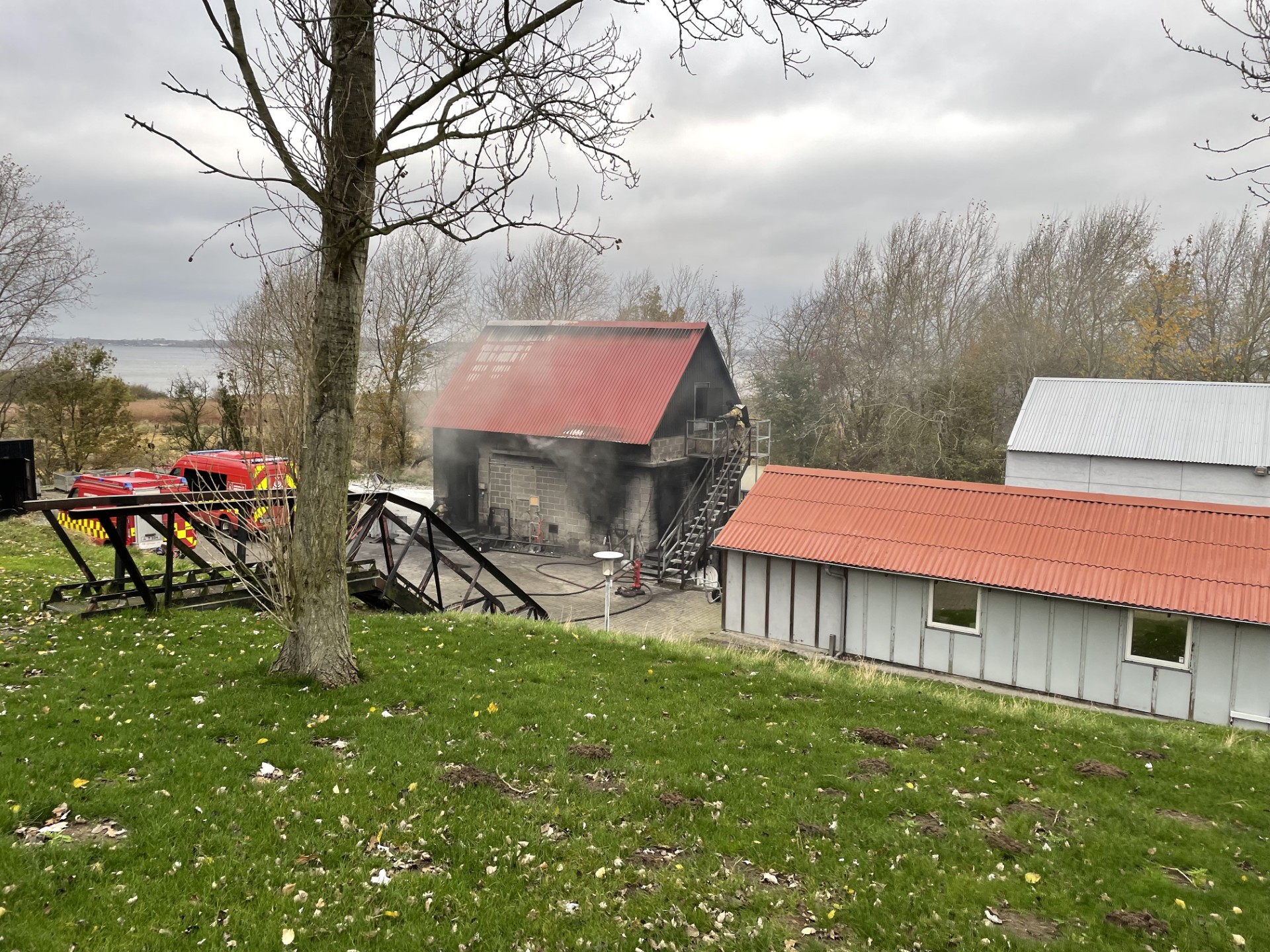
The primary pilot and cross-border collaboration site was the firefighting training site in Korsør, Denmark. The pilot was operated by Ultraaqua A/S, other involved LIMIT project partners are Lund University, Gdańsk University of Technology, Port of Gdynia, Kristianstad University, Slagelse municipality and Bioksa/Yaquatec, Lithuania.
Result
At Korsør, the first bubble-fractionation step reduced PFAS4 from 16,000–26,000 ng/L to below 2 ng/L and reduced the contaminated water volume approximately 500-fold. The second step removed 99.9% of PFAS4 from the concentrate and reduced the final concentrate flow to 0.1 L/h. Fresh ion-exchange resin removed 100% of PFAS4 and 97% of PFAS22 in tests. UV treatment of the concentrated streams achieved more than 99% removal of PFAS22; the second concentrate required around one tenth of the energy used for the first concentrate because its volume was lower. For the recommended Korsør treatment train, PFAS4 was reduced from about 16,000 ng/L to below the detection limit.
The guideline also documents promising results for GAC regeneration and reactivation, electrochemical oxidation, SHWO/SCWO, and hybrid UV/ozone–GAC treatment, while identifying where further validation is required.
Contact information
Implementing party
Country
Implementation period
Cost
For the recommended Korsør treatment train, energy use was approximately 0.5 kWh/m³. Estimated operating costs for electricity, GAC and ion-exchange resin were approximately €0.70/m³. The energy required for GAC regeneration was not included because those technologies were investigated only at laboratory scale.
Funding
The guideline was developed through the Interreg South Baltic project LIMIT – From Separation to Destruction: A Cost-Effective Treatment Train for PFAS-Contaminated Water.
Published
Gallery