Drinking water treatment in Rastatt, Germany
The application of contaminated sludge to agricultural land has resulted in a huge amount of soil and water becoming contaminated with PFAS. Residents are exposed to a high level of PFAS pollution and innovative water treatment methods are needed. The ZeroPM project has developed a method that is a treatment train consisting of an activated carbon filtration, an ion exchanger, which was also subject to regeneration, and then the subsequent treatment of the remaining liquid containing PFAS residues using electrochemical degradation.
Results and next steps
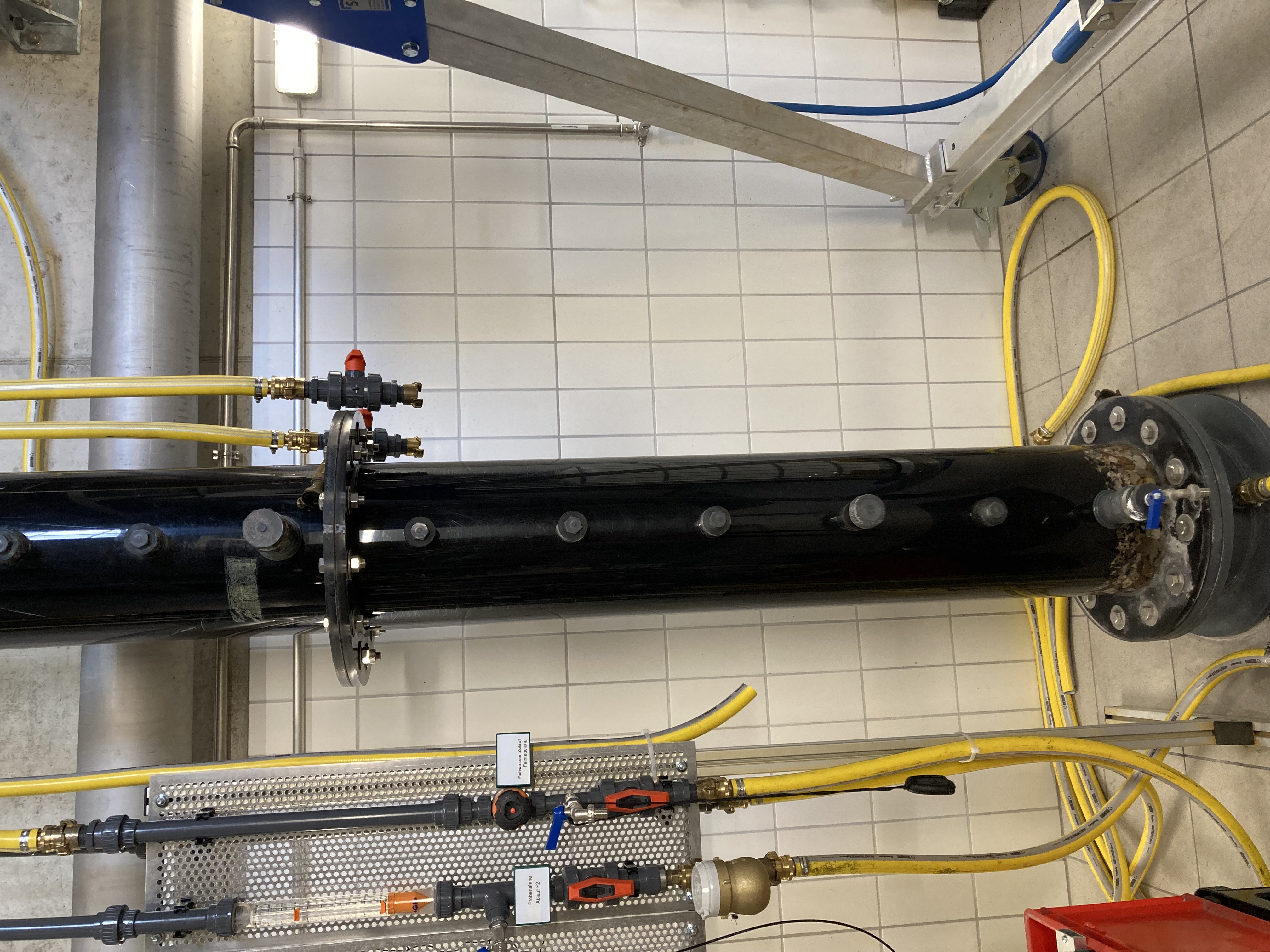
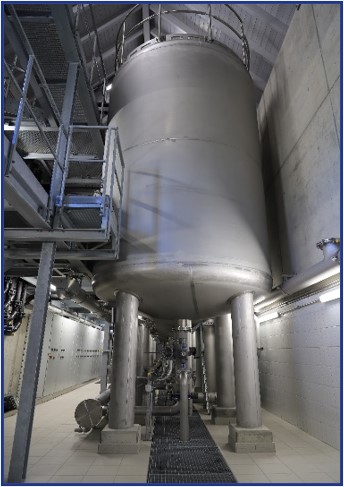
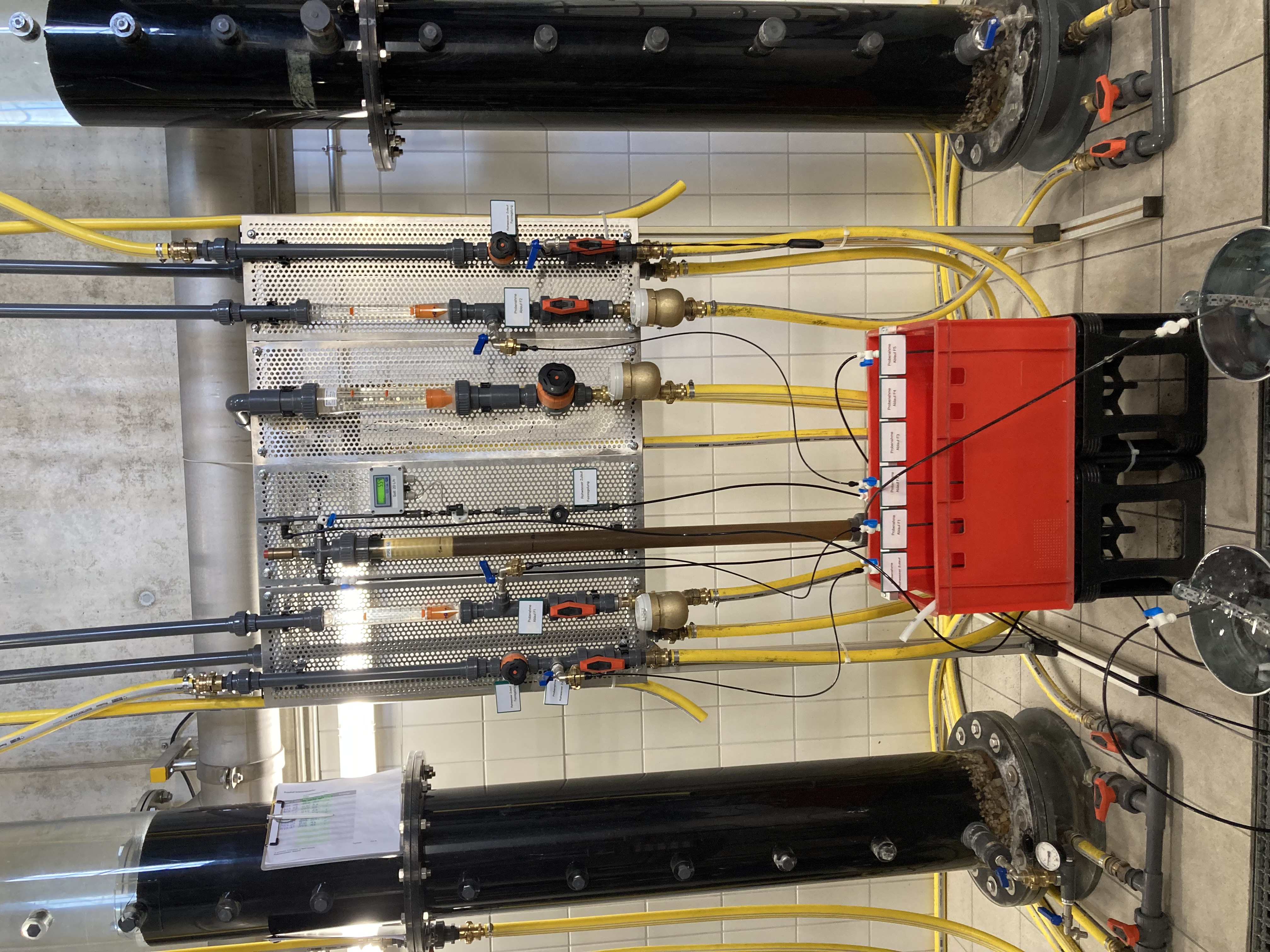
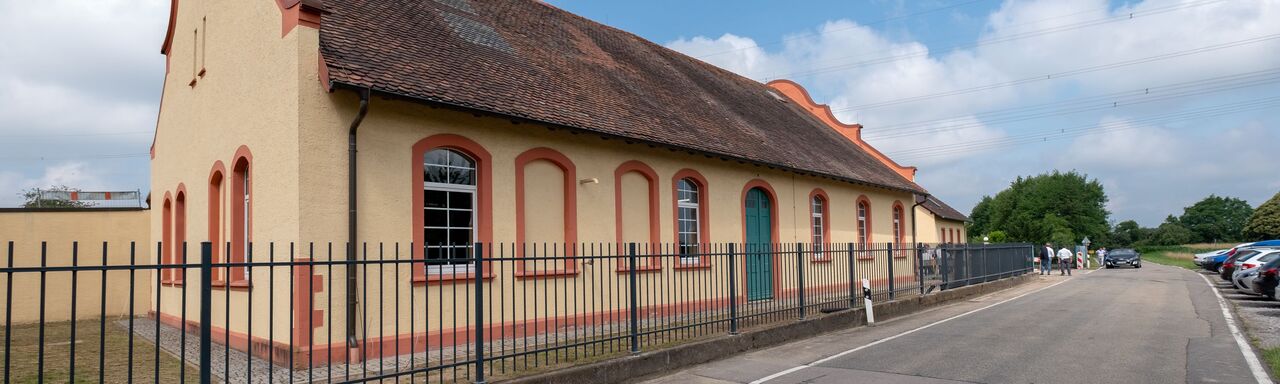
Laboratory experiments were used to select the most effective ion exchanger. A pilot plant consisting of the activated carbon filter and the ion exchanger was installed at the waterworks at Rastatt that serves 50,000 inhabitants. The pilot plant was run for 2 years.
PFAS concentrations in the raw water ranged from 50 to 200 ng/L. Results show that concentrations of long chain PFAS were reduced by up to 90 % after activated carbon filtration, while concentrations of short chain PFAS were reduced to a lesser degree. However following the ion exchanger treatment step, concentrations of short chain PFAS were also reduced by up to 95 %. Regeneration of the ion exchanger was successful over an 8 week period, with up to 99 % regeneration achieved. Including all three treatment steps means it is possible to reduce PFAS concentrations to below stipulated threshold values.
Treatment of the liquid containing the PFAS residues using electrochemical degradation is ongoing.
Potential applications in the BSR
The results can be applied in other areas to clean drinking water where both long chain and short chain PFAS are present.
Contact information
Implementing party
Development state
Funding
The project ZeroPM - Zero pollution of persistent and mobile substances - has received funding from the European Union’s Horizon 2020 research and innovation programme under grant agreement No 101036756.

Gallery